The Complete Guide to World Heritage Sites in Hokkaido! Travel to Shiretoko, Jomon culture, and other natural and historical sights
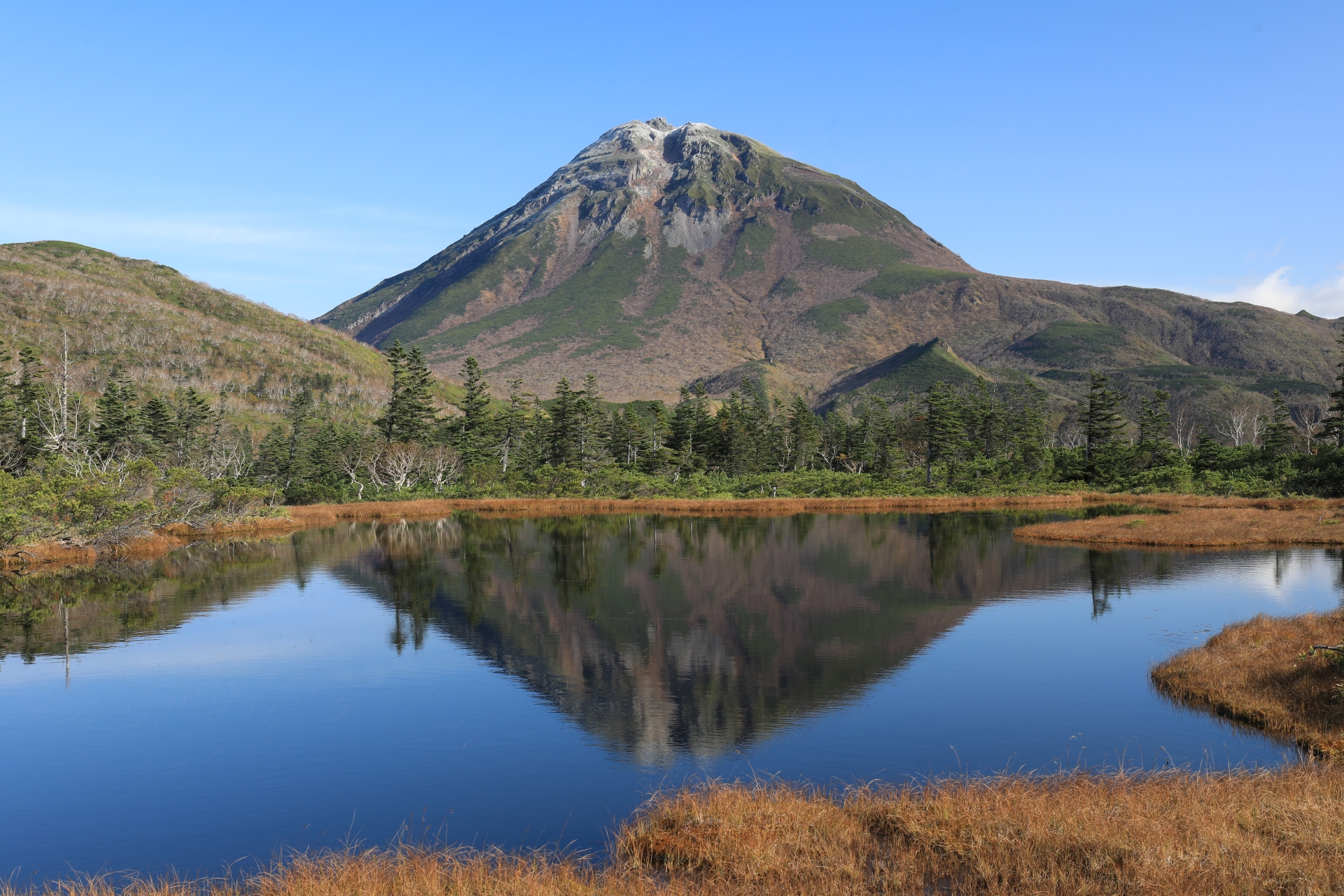
Table of Contents
- 1 What are the World Heritage Sites in Hokkaido? Explaining the fascinating blend of nature and history
- 2 Natural Heritage Sites in Hokkaido Shiretoko Peninsula" Attractions and Highlights
- 3 Communicating Jomon Culture to the Future Jomon Sites in Hokkaido and the Northern Tohoku Region
- 4 Ranking of World Heritage Sites in Hokkaido and Recommended Routes
- 5 What is the difference between Hokkaido Heritage and World Heritage?
- 6 What to expect when visiting World Heritage Sites in Hokkaido and Best Season to Visit
- 7 Hokkaido World Heritage Frequently Asked Questions (FAQ)
- 8 summary

Vimutti-Spa by Smooth Niseko
Can be received at your accommodation.On-site oil treatment serviceAvailable until late at night. Serving major areas of Niseko and available until late at night
[HP https://vimutti-spa.com/
Reservation Form https://vimutti-spa.bookfast.jp/public/booking/order02.jsf?vid=8a80818a9996be4a019999a9e7164cb9
What are the World Heritage Sites in Hokkaido?
Explanation of the fascinating blend of nature and history
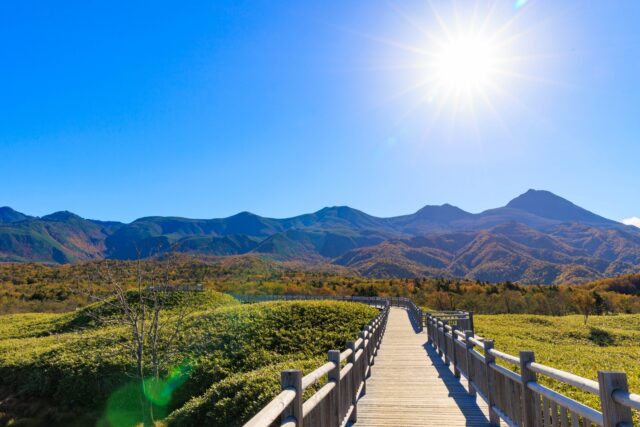
Hokkaido is a vast land andRich NatureThe area is a special place where the cultural heritage of the region and its ancient history coexist.
Therefore, what you are looking for is not just an introduction to tourist attractions, but information that will help you understand their value, background, and even points to consider when visiting.
In this article, we will introduce in an easy-to-understand manner travel to the World Heritage sites registered in Hokkaido, as well as the Shiretoko Peninsula, Jomon Cultural Ruins, and other spectacular natural and historical landscapes.
◆To understand the difference between natural and cultural heritage
◆Those who want to learn about the Jomon culture and ruins in Hokkaido
◆Holiday travelers planning to visit World Heritage sites in Hokkaido
◆For those who want to know more about the nature and sightseeing information of the Shiretoko Peninsula
If you want to experience more of the World Heritage nature
The natural activities are also highly recommended.
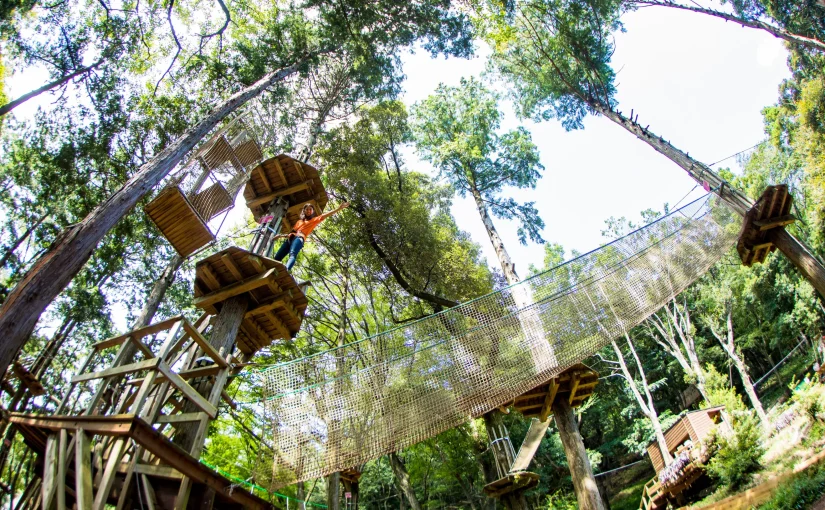
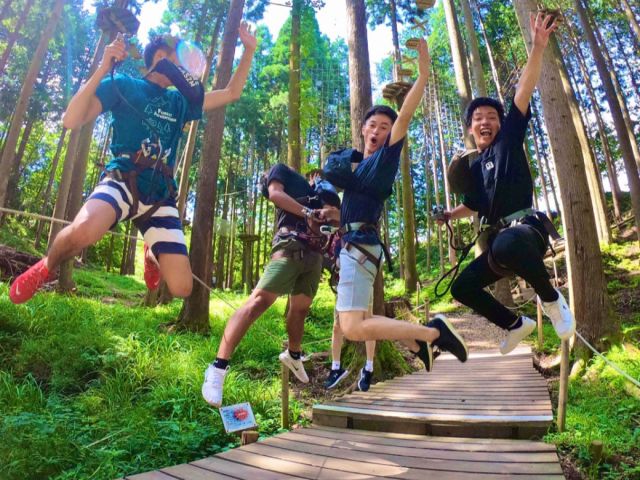
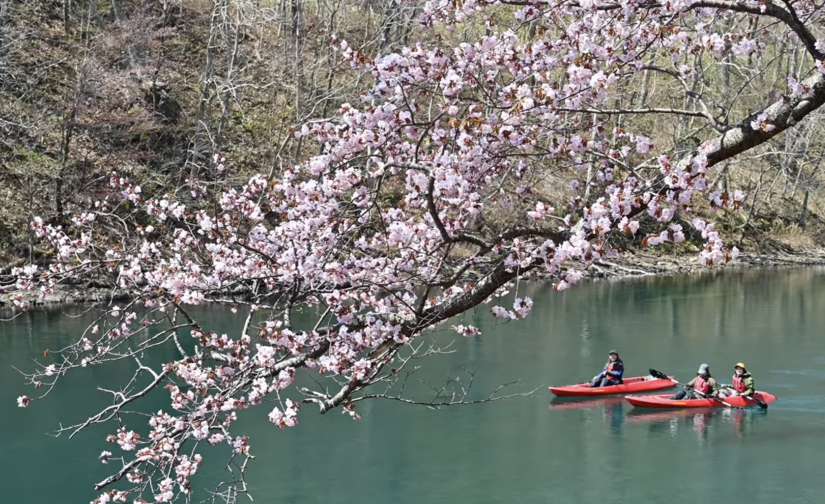
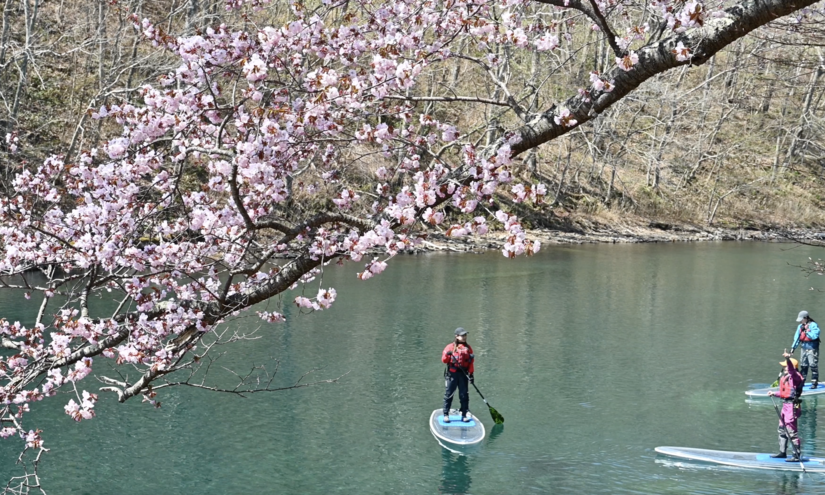
Click here to see the ranking of popular Hokkaido tours
Natural Heritage of Hokkaido
Shiretoko Peninsula" Attractions and Highlights
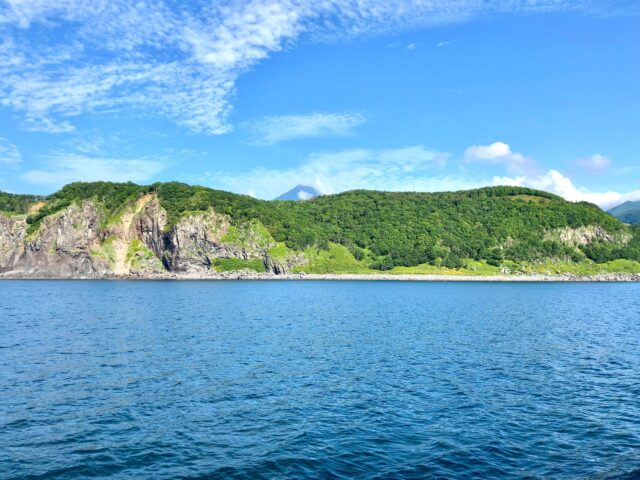
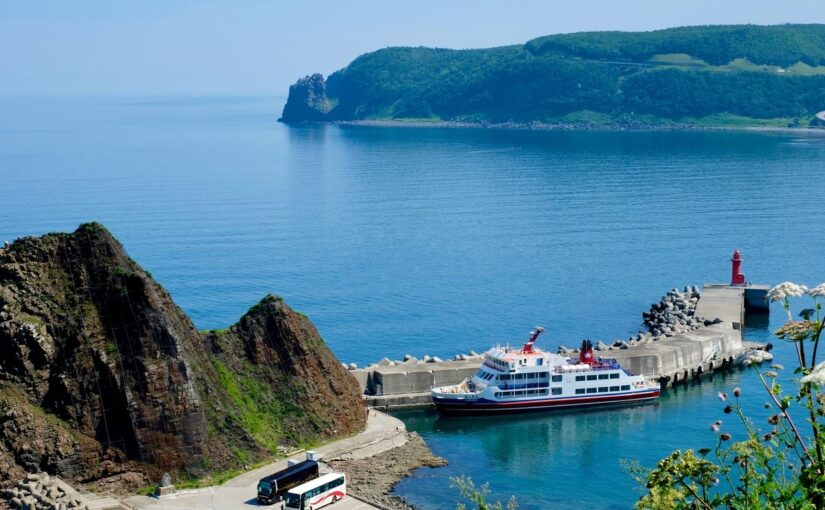
The Shiretoko Peninsula is a peninsula located in eastern Hokkaido,untouched natureIt is a World Natural Heritage site where the
Surrounded by the Pacific Ocean and the Sea of Okhotsk, the region is known for its dynamic landscape nurtured by a rich ecosystem and unique climate.
Background and Value of Shiretoko's Registration as a World Natural Heritage Site

Shiretoko was registered as a World Natural Heritage site in 2005.
The reason for registration is that the pristine natural environment remains almost intact,Diverse flora and faunais in the habitat.
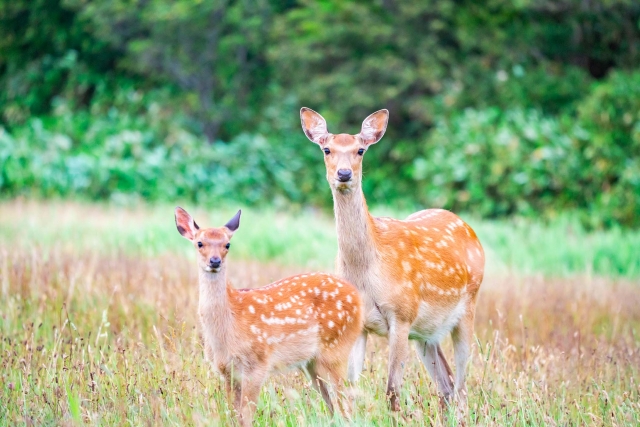
Many wild animals can be seen here, including brown bears, Blakiston's fish owls, and killer whales, and the ecosystem is globally significant.
In Shiretoko, the ocean and mountains are in close proximity, and the landforms and natural phenomena that have continued since the Ice Age can also be observed.
Recommended sightseeing spots in Shiretoko Peninsula and
How to access
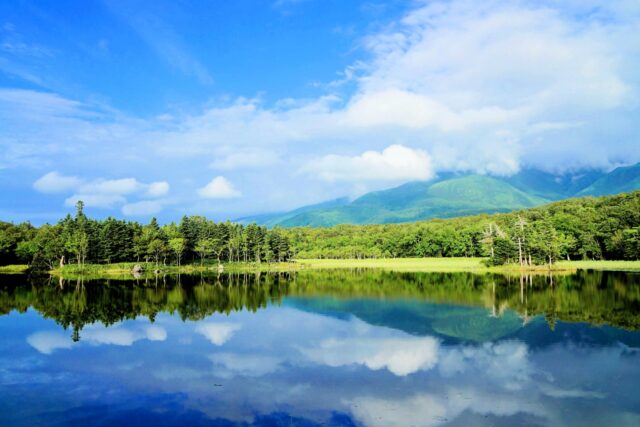
To visit Shiretoko, it is convenient to use Shiretoko Shari-cho or Rausu-cho as your main base.
It is accessible from Sapporo and Asahikawa by air or express train.
the Five Lakes of ShiretokoA walking trail is provided to the "Kiwanis' Garden of the Dead", which can be enjoyed safely when combined with a guided tour.
the Five Lakes of Shiretoko
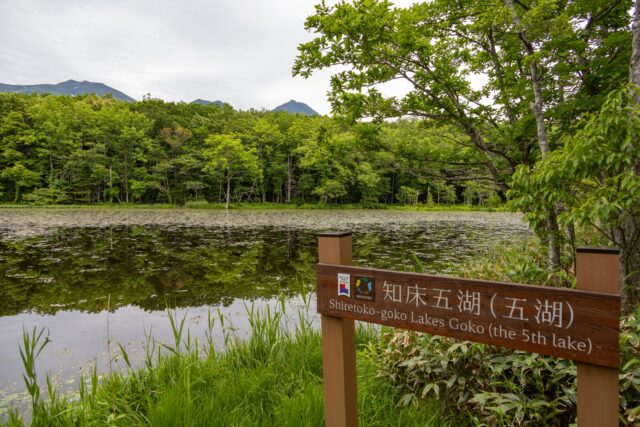
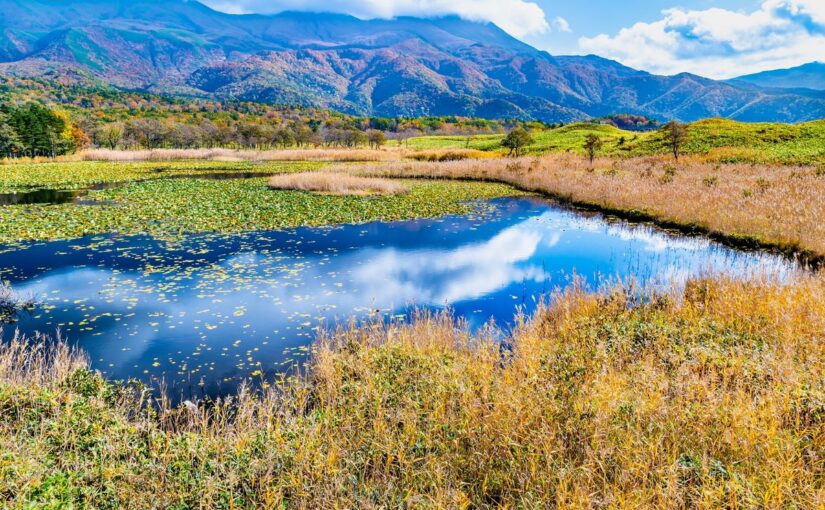
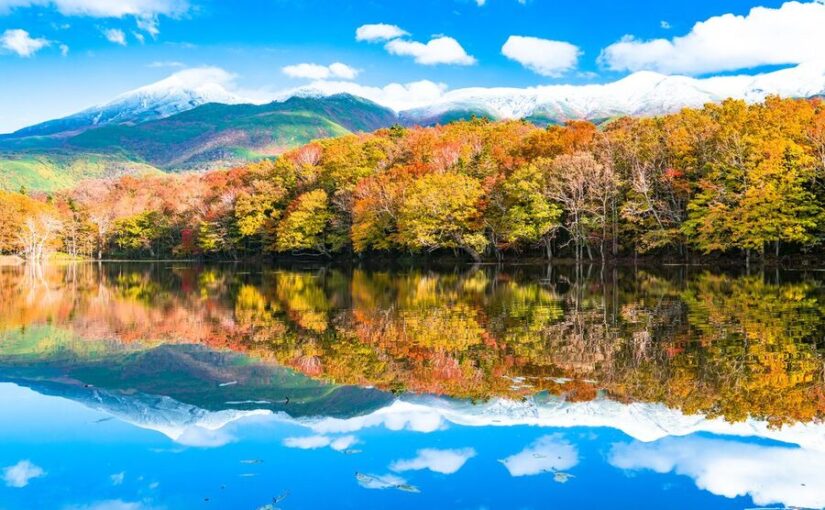
The Shiretoko Five Lakes are five beautiful lakes scattered in a virgin forest at the foot of the Shiretoko Mountain Range.
Each lake is known as a place where visitors can enjoy seasonal nature and wildlife encounters.
Especially during the green season from May to October, walking paths (above-ground boardwalks) and elevated wooden paths are available for nature exploration for both beginners and experts.
The elevated wooden path is barrier-free and can be used regardless of the presence of brown bears, making it safe for families and the elderly.
On a clear day,Beautiful scenery of mountains reflected on the lake surfacewill spread.
Access: 100 minutes by car from Memanbetsu Airport
▼Here is a recommendation for a tour of the Shiretoko 5 lakes.
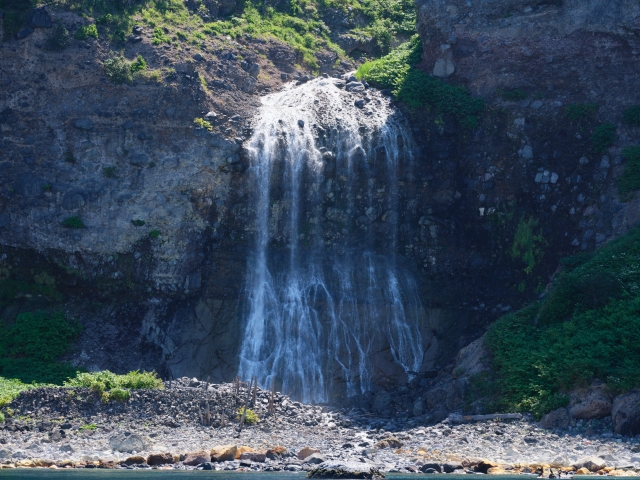
Kamuiwakka Hot Spring Waterfall
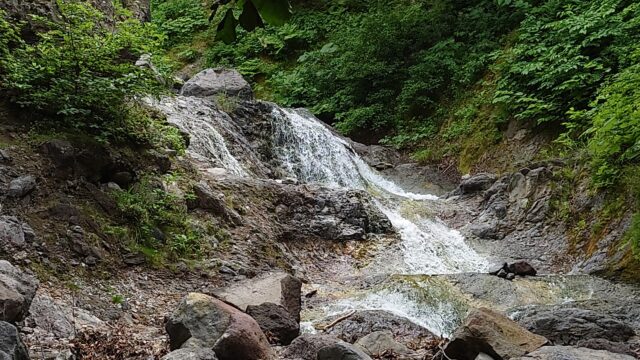
Kamuiwakka Hot Spring Waterfall is one of the few waterfalls in the world where hot spring water from the volcanic activity in Shiretoko flows down as a waterfall.Natural hot spring waterfallIt is.
Kamuiwakka" means "divine water" in the Ainu language, and it is a truly mystical experience.
The water temperature in the waterfall basin is lukewarm, and footbaths can be enjoyed comfortably even in summer.
However, because of the slippery rocky terrain, it is safe to visit with non-slip shoes and comfortable clothing.
Open every summer, it is a special tourist spot where visitors can experience a sense of oneness with nature.
Access: 130 minutes by car from Memanbetsu Airport
▼Click here for a boat tour of Kamuiwakka Falls.
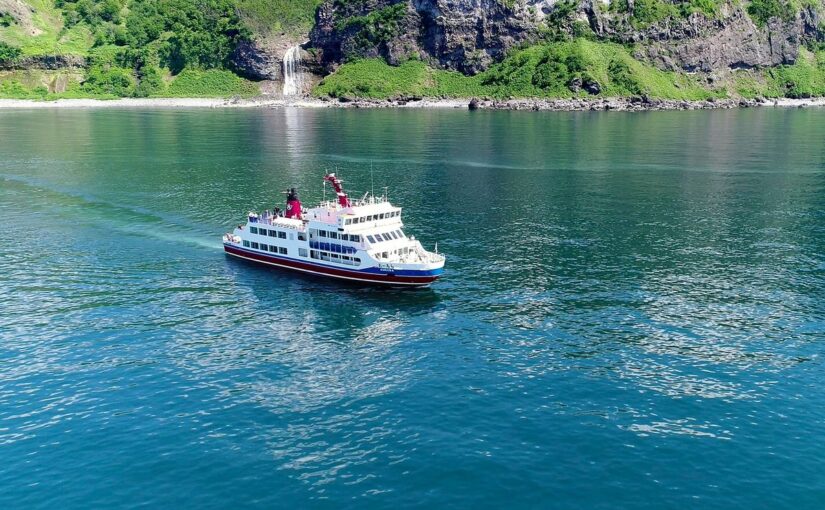
Activities to experience in Shiretoko and
ecotourism
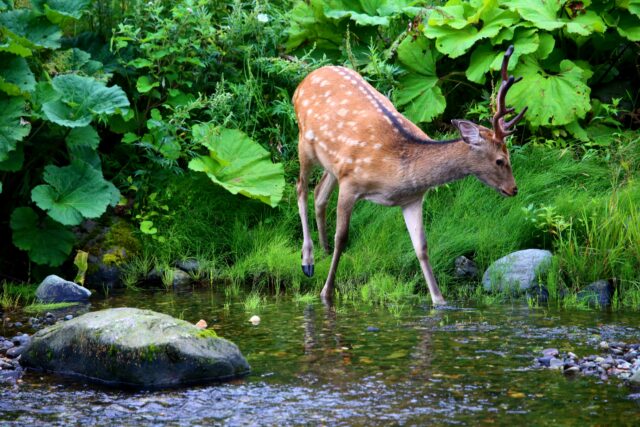
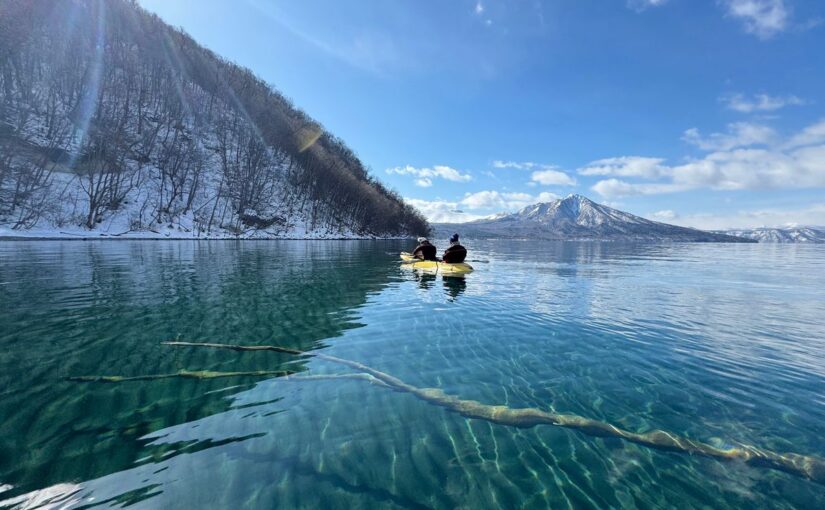
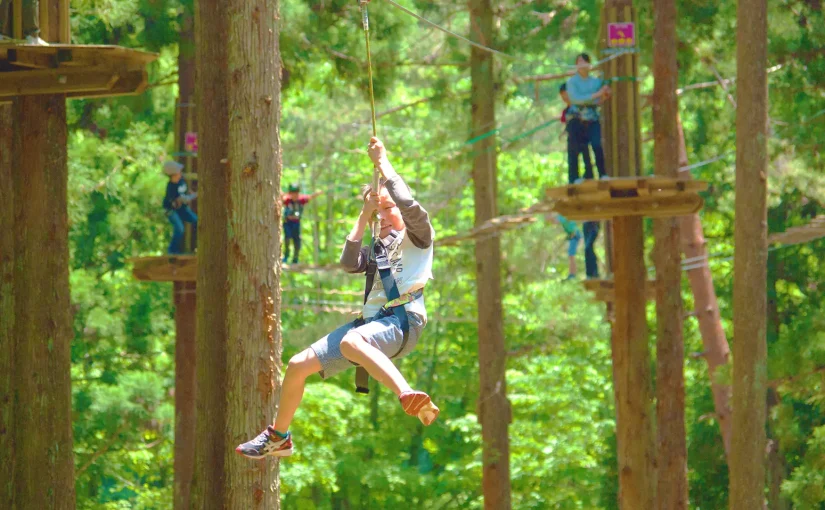
In ShiretokoWildlife WatchingMany activities can be enjoyed, including cruises, canoeing, and trekking.
By participating in an eco-tour, you can learn about Shiretoko's nature and ecosystem from an expert guide, thus deepening your understanding of your visit.
Click here for recommended activity tours in Shiretoko.

Conveying Jomon Culture
Jomon Sites in Hokkaido and the Northern Tohoku Region.
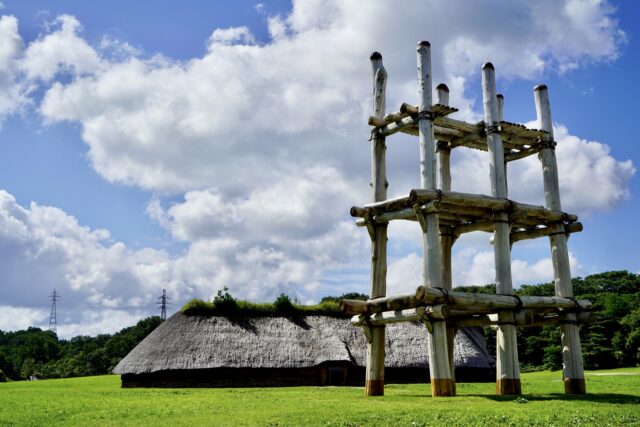
Jomon Monuments in Hokkaido and Northern Tohoku will be registered as a World Heritage Site in 2021, telling the story of the ancient culture of the Japanese archipelago.Significant EvidenceIt is considered to be a
Hokkaido has several important Jomon sites as part of it.
If you want to experience more of the World Heritage nature
The natural activities are also highly recommended.
What are Jomon Ruins?
Reasons for World Cultural Heritage registration
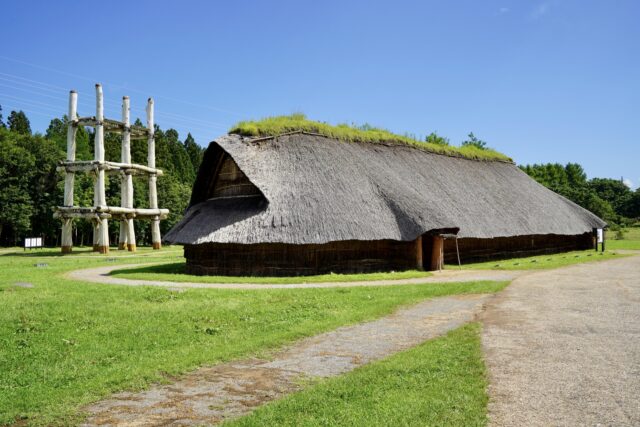
The Jomon period was a culture that lasted for more than 10,000 years in the Japanese archipelago, and many traces of this culture have been excavated, including earthenware, dwelling sites, and shell middens.
The Jomon sites in Hokkaido, in particular, are located in a cold region.A rich culture of lifeThis is an important document that shows that the
Its registration as a World Heritage site was based on recognition of its uniqueness and value in human history.
Major Jomon sites in Hokkaido and
Its Highlights
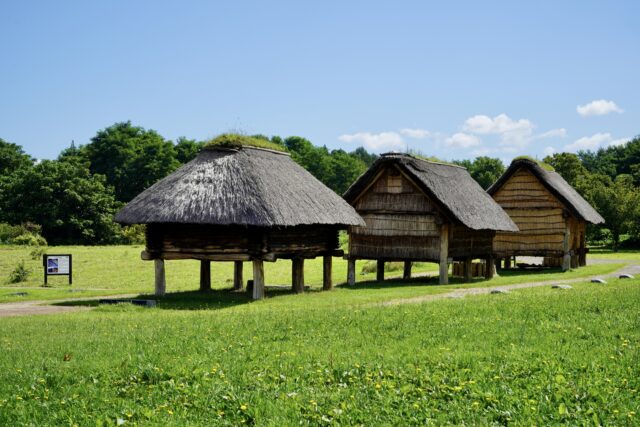
Hokkaido is dotted with Jomon sites for history buffs and tourists to visit.
By SiteDistinctive finds and structuresand provide a glimpse into the lives of ancient people.
Kakinoshima Ruins
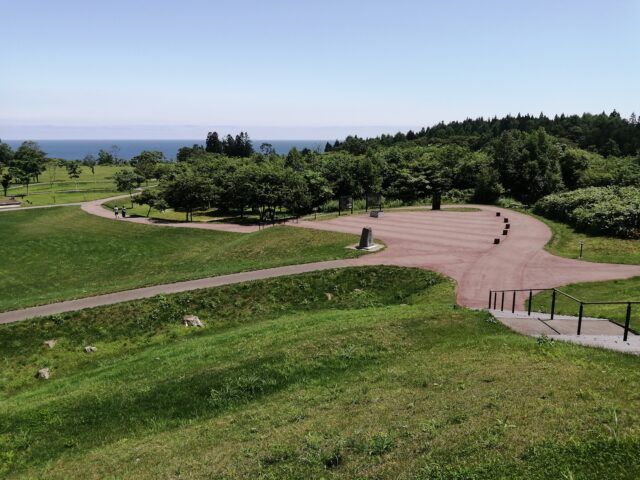
The Kakinoshima Site is a Jomon Period settlement site located in Hakodate, Hokkaido.
Fishing was active, and many stone weights for fishing nets have been excavated.
The settlement is divided into residential areas and a cemetery,Distinction between everyday life and special spacesThe first time I saw the building, it was being used as a
The large "U"-shaped embankment remains, created approximately 2,000 years ago, are thought to have been the site of ceremonies and festivals.
This site is an important place to learn about the life and spiritual culture of the time.
◆Access: Approximately 40 minutes by car from Hakodate Airport
Ofuna Site
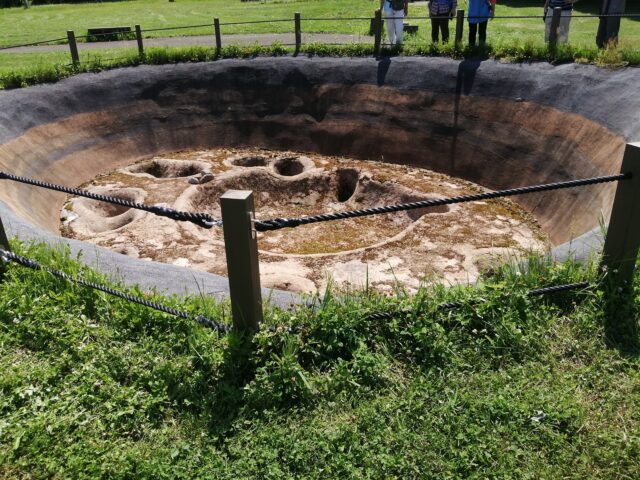
The Ofuna Site is a Jomon Period settlement site located in Hakodate, Hokkaido, facing the sea.
More than 100 pit buildingswere found, as well as large-scale fill remains, tombs, and storage pits.
Excavated earthenware and stone tools show traces of festivals and ceremonies that lasted for a long period of time.
In addition to whale, tuna, and salmon bones, we also found chestnuts, walnuts, wild grapes, and poison oak, indicating that forest resources were actively used in addition to fishing.
This site is important for the life and spiritual culture of the late Jomon period.
◆Access: 50 minutes by car from Hakodate Airport
North Iwokin Shell Mound
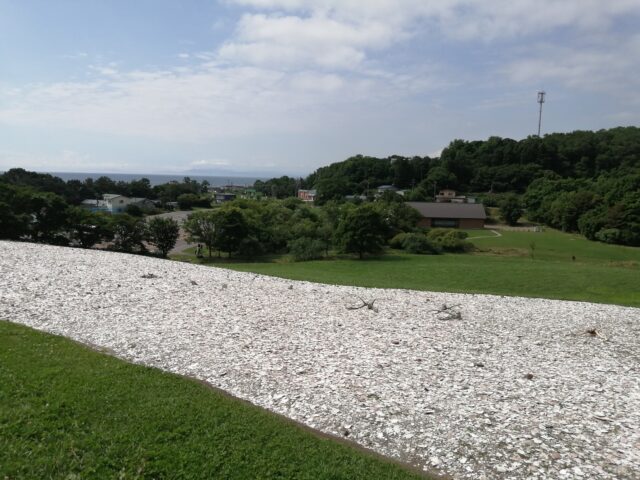
Kitakogane Shell Mound is the site of a Jomon Period settlement in Date City, Hokkaido, and is located on a hillside facing the sea.
Many bones of shellfish, fish, and marine animals have been excavated here,Life centered on fishingThe results of this study show that the
There is also a ritual site that combines a shell mound and a tomb, and traces of animal rituals have been identified.
Many stone tools used in festivals and ceremonies were also found in the remains of the watering hole, which clearly shows the spiritual culture of the area.
It is an important archaeological site that reflects a way of life adapted to the changing environment.
◆Access: 150 minutes by car from Hakodate Airport
Hokkaido's World Heritage Ranking and
Recommended Route
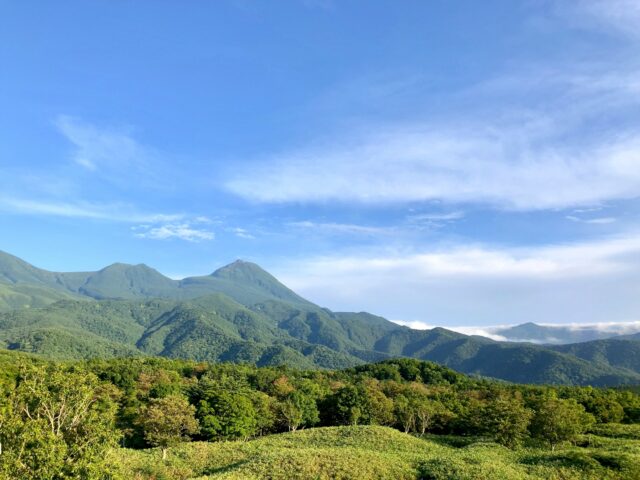
In addition to the World Heritage-listed spots in Hokkaido,An area worth visitingare numerous.
Here we introduce the most popular spots for tourists in a ranking format and suggest model routes for efficient touring.
Top 5 Popular World Heritage Sites Ranking
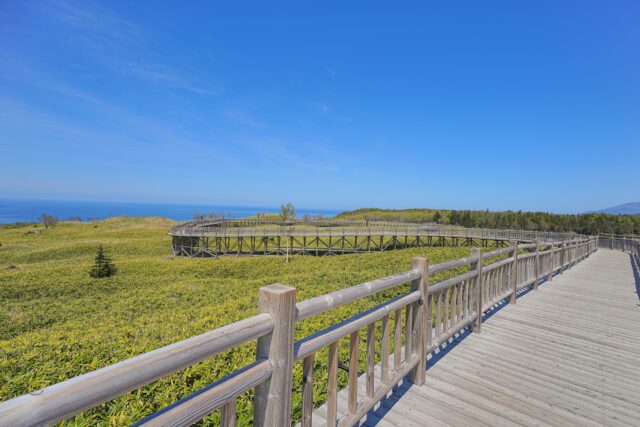
Focus on natural and cultural heritage,A classic spot that is easy to visit with World Heritage sitesThe ranking includes the following
The most popular and satisfying spots are explained in an easy-to-understand manner for first-time visitors to Hokkaido.
No. 1: Shiretoko Peninsula
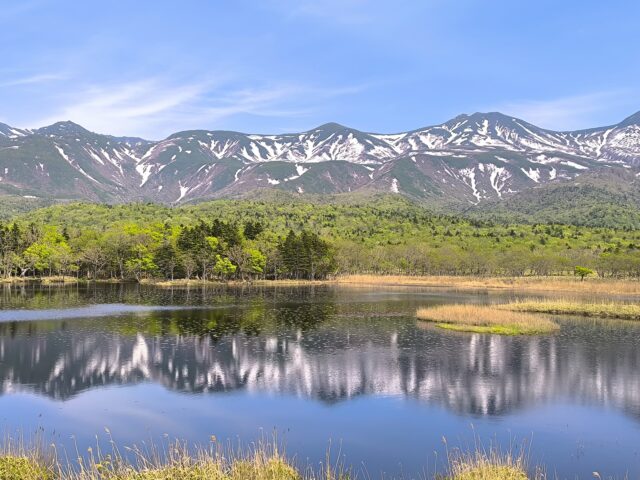
In Hokkaido's only World Natural Heritage site,Unspoiled virgin forests and rich marine ecosystemsare being evaluated.
The Shiretoko Five Lakes, wildlife observation, and other aspects of Hokkaido's unique wilderness make it a popular destination.
Click here for recommended tours in Shiretoko


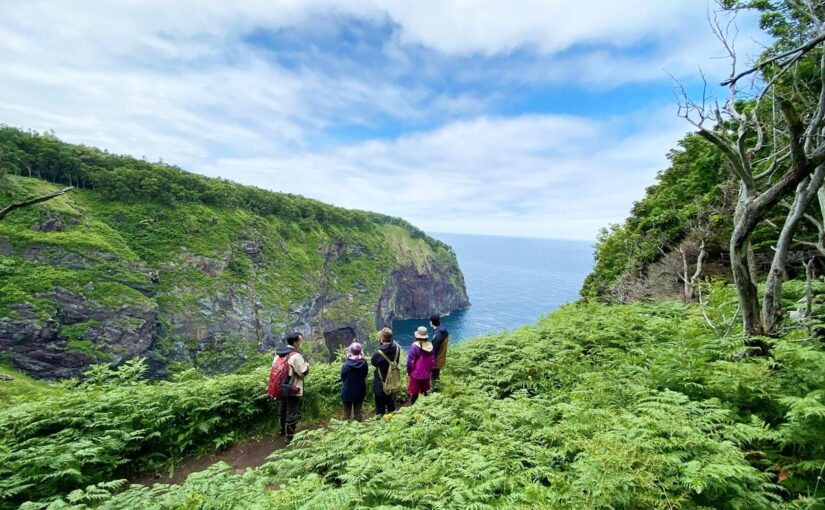
No. 2: Jomon sites in Hokkaido and the northern Tohoku region
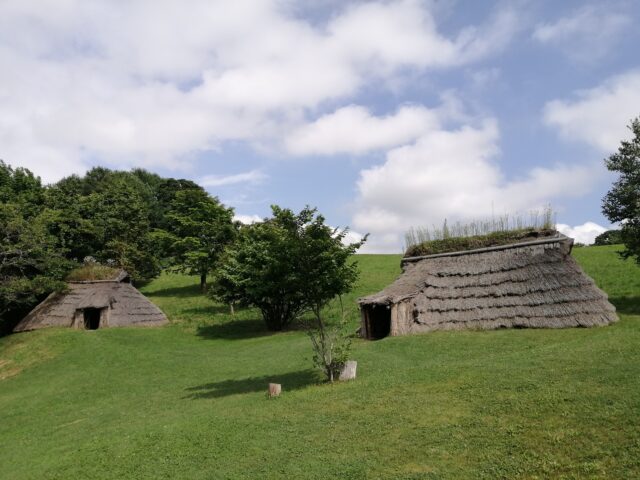
Conveying the lifestyle and spiritual culture of the Jomon period to the presentPrecious archaeological sitesIt is.
In Hokkaido, these include the Kakinoshima Ruins and the North Kogane Shell Mound, which are highly regarded by travelers interested in history and culture.
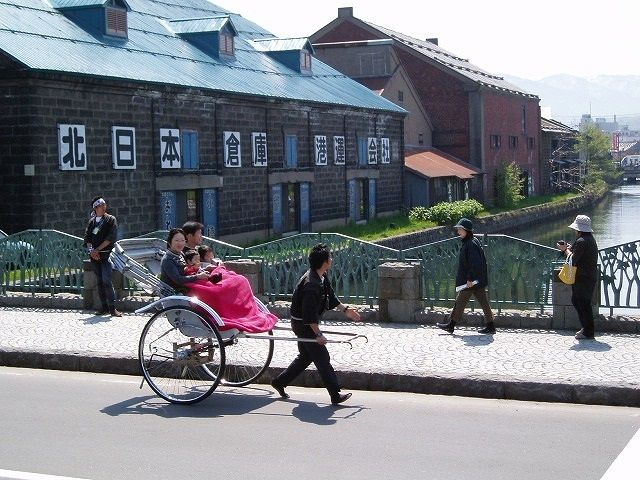
No. 3: Otaru Canal and Historic District
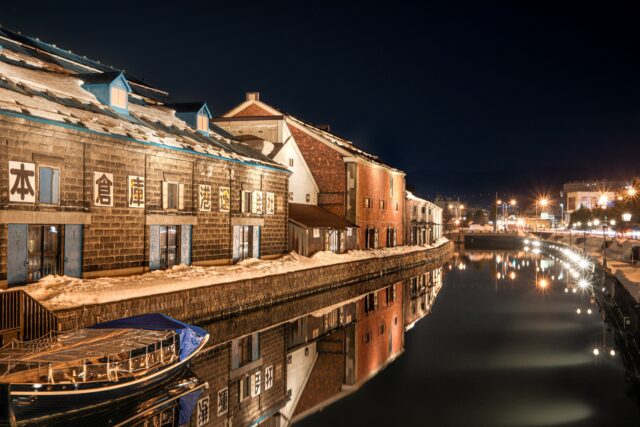
Although not a World Heritage site, it is a representative tourist attraction that has been selected as a Hokkaido Heritage Site.
Stone warehouses and canalside streetsis also an attractive location that can be easily combined with sightseeing at the Jomon Ruins and Shiretoko.
▼Click here for recommended tours around Otaru City.
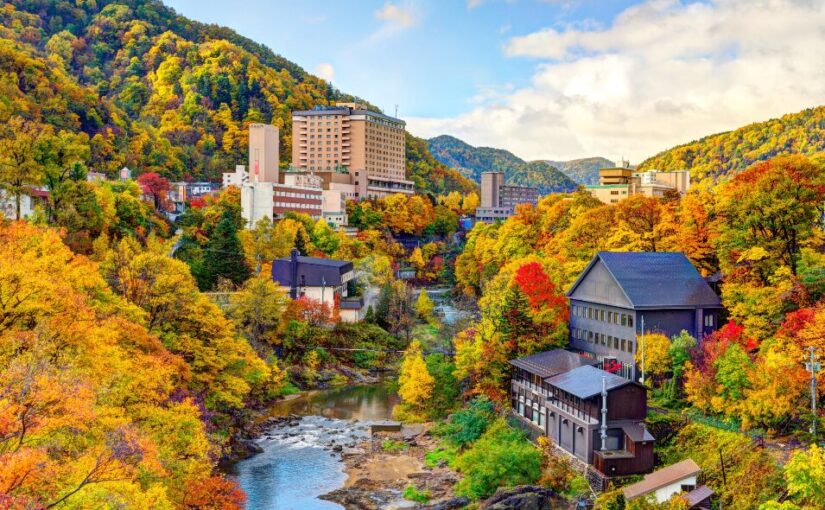
No. 4: Natural scenery around Asahiyama Zoo
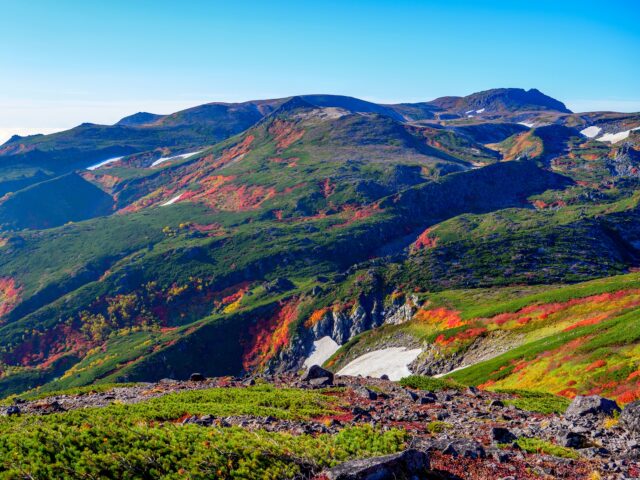
Asahiyama Zoo is known for its behavioral exhibits,Natural scenery of the surrounding Daisetsuzan Mountainsare being evaluated.
It is an easy stopover on the way to visit World Heritage sites and is popular with families.
▼Click here for one-day bus tours around Asahiyama Zoo.
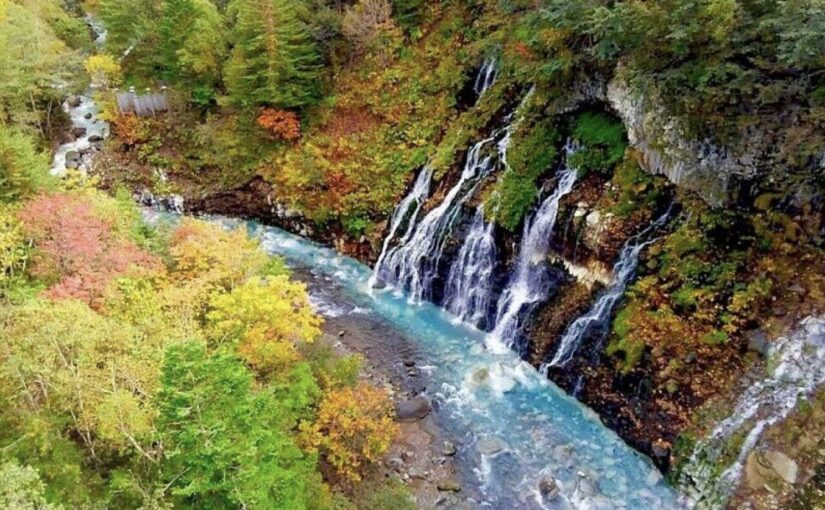

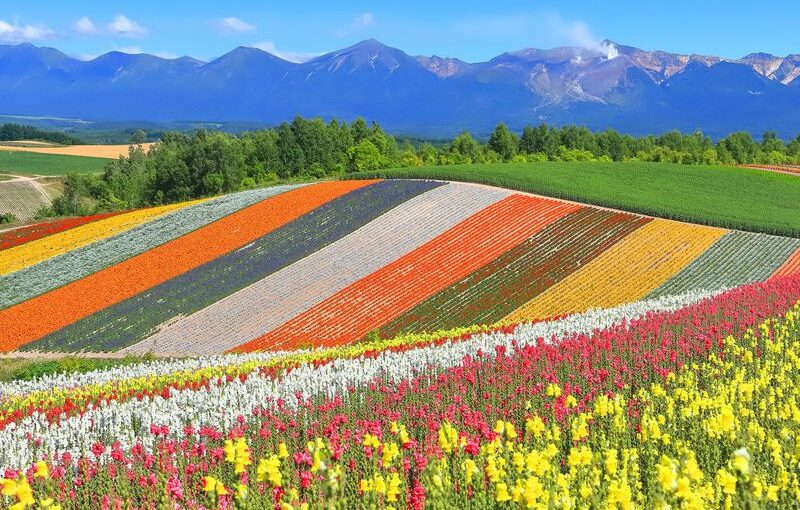
No. 5: The hills of Furano and Biei

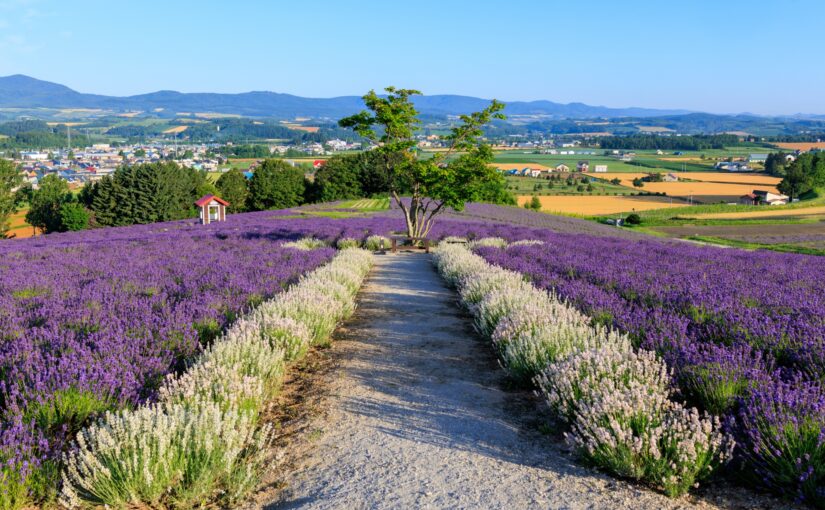
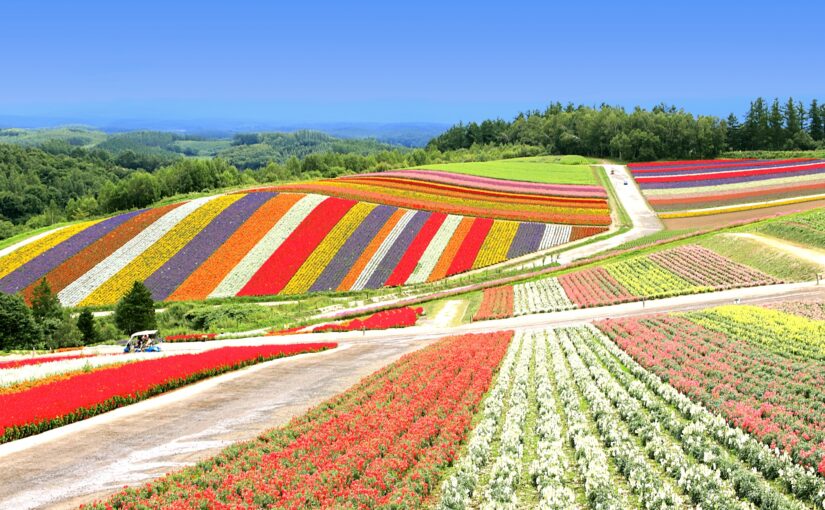
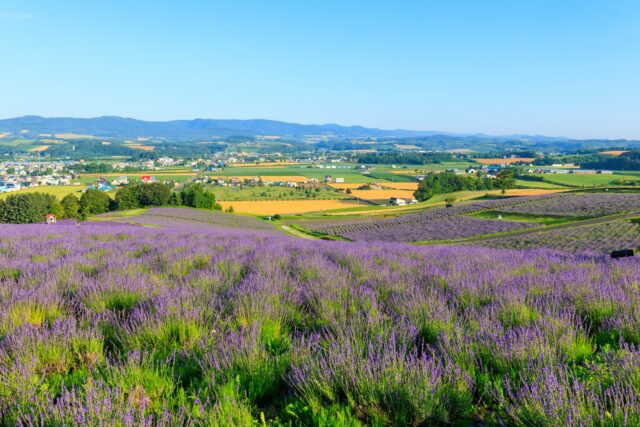
The area is known for its lavender fields and patchwork hills.
Although not a World Heritage Site,Magnificent scenery typical of HokkaidoMany people visit in combination with Shiretoko and Jomon Ruins because they can enjoy the
Click here for recommended tours to enjoy Furano and Biei.
Model Courses and Sightseeing Plans for World Heritage Sites
Tour Hokkaido's World Heritage sites efficiently even with a limited itineraryIn order to help you balance sightseeing and travel distances, we will introduce a model course.
For example, in the 3-day model route, travel from Sapporo to Asahikawa on the first day and enjoy Hokkaido's typical nature in Biei and Furano.
On the second day, we will head to Shiretoko to experience the World Natural Heritage site by walking and cruising around the Shiretoko Five Lakes.
On the third day, we recommend a sightseeing plan to visit Jomon sites in Hokkaido and the northern Tohoku region to experience ancient culture and history.
What is the difference between Hokkaido Heritage and World Heritage?
Hokkaido Heritagebut this is a different category from World Heritage sites.
Here we explain the difference between the two.
Value of Hokkaido Heritage
Hokkaido Heritage sites are selected by Hokkaido citizens for places and traditions that symbolize the history, culture and nature of the region.
Example.Historical Buildings in Otaruand pioneer historic sites, and beautiful satoyama scenery.
The difference between World Heritage and
Future Candidate Sites for Registration
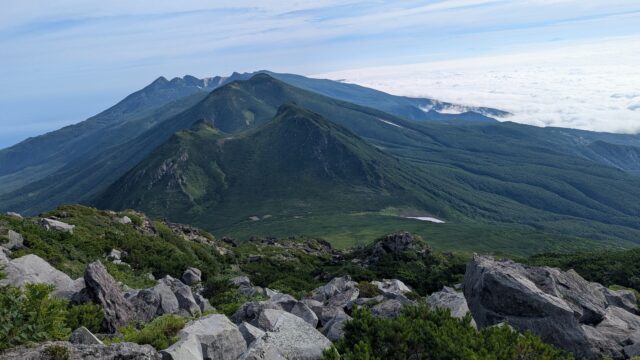
World Heritage Sites are heritage sites of international value selected by UNESCO.
On the other hand, Hokkaido Heritage recognizes domestic values and has different registration criteria compared to World Heritage.
In the future, from within HokkaidoNew World Heritage Site RegistrationThe region continues to be a focus of attention, as there is a move toward
What to expect when visiting World Heritage Sites in Hokkaido and
Best Season
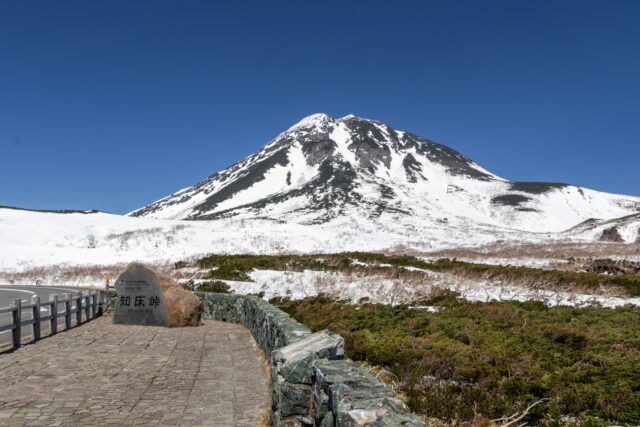
Before visiting World Heritage Sites,Consideration for the protection of the natural environment and good mannersis important.
Another key to making your trip comfortable is to be prepared for seasonal climate differences, clothing, and personal belongings.
Nature Conservation and Manners to Know Before Your Visit
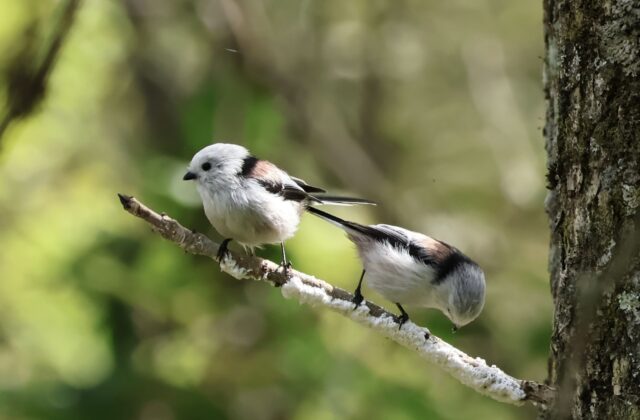
In Shiretoko, visitors are expected to keep their distance from wildlife and not deviate from designated routes.
Also,Trash Removaland community rules.
Please be careful not to enter the protected area at the Jomon site for excavation and preservation.
Guide to the best season for sightseeing, what to wear and what to bring
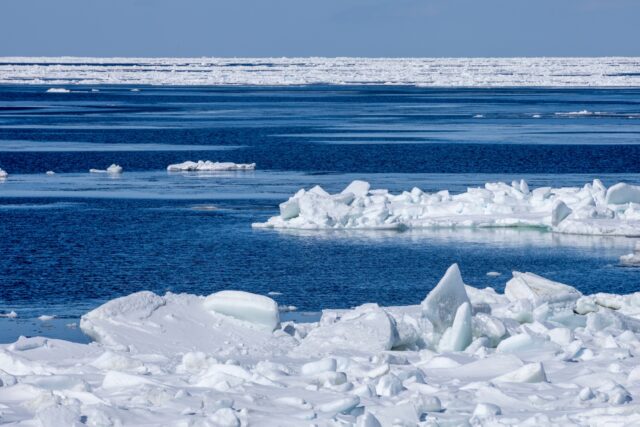
The best time to visit Shiretoko is from summer to early autumn (June to September), but winterDrift ice and snowy landscapesis also popular.
Warm clothing, comfortable walking shoes, insect repellent, and other seasonal preparations are necessary.
Spring through fall is comfortable for touring Jomon ruins, and sun protection and drinking water are recommended.
Hokkaido World Heritage Frequently Asked Questions (FAQ)
Summer to early autumn (June to September) is the best season. This is when the flora and fauna are most active and the natural scenery is at its most beautiful.
The main representative sites are the Kakinoshima and Ofuna sites in Hakodate City and the Kitakogane Shell Mound in Date City. Tour facilities are also available.
World Heritage Sites are heritage sites of international value recognized by UNESCO, while Hokkaido Heritage Sites are regional selections that symbolize the culture, nature, and history of the Hokkaido region.
summary
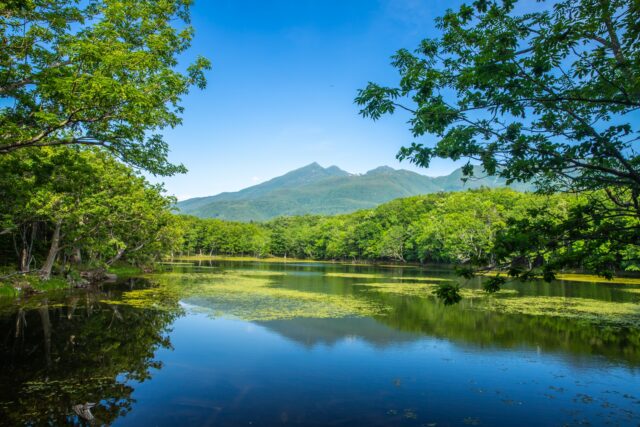
Hokkaido's World Heritage sites are special travel destinations where visitors can experience the power of nature and the depth of ancient culture.
The overwhelming natural beauty of the Shiretoko Peninsula and the historical value of the Jomon ruins provide visitorsAn unforgettable experienceto provide the following services.
When making sightseeing plans, please be sure to understand the seasons, accessibility, and protective etiquette, and enjoy all that Hokkaido has to offer.
▼Click here for articles to read in conjunction with this one.